I Will Do It Tomorrow I Am Going Fishing: A Designer’s Review
As an embroidery designer who spends half my life staring at digitized paths and the other half pulling bobbins out of tangled messes, I have learned to look past the glossy mockups. We all know that what looks crisp on a screen does not always translate cleanly to fabric. When I first encountered I Will Do It Tomorrow I Am Going Fishing, my initial reaction was one of amused recognition. It is a sentiment that resonates with a specific, relaxed demographic, but from a technical standpoint, it presents both opportunities and challenges for the serious stitcher.
This design falls under the category of Print Templates and Graphics, which immediately signals that we are dealing with a vector-based origin rather than a pre-digitized embroidery file. For those of us running small shops or managing craft businesses, this distinction is vital. The product description lists SVG, AI, EPS, PSD, and PNG formats. This means you are buying the visual asset, not the stitch data. If you are an Etsy seller or a boutique owner looking to add this to your custom apparel line, you will need to digitize it yourself or hire a professional digitizer. Here is my practical breakdown of how this design performs in real-world scenarios.
The Visual Personality and First Impressions
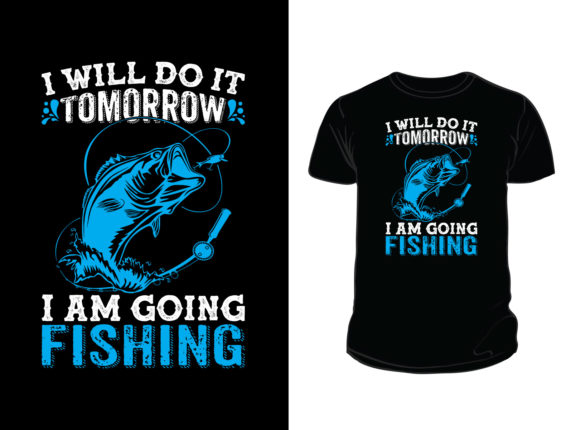
The phrase "I Will Do It Tomorrow I Am Going Fishing" carries a laid-back, humorous tone. It is not aggressive; it is inviting. The typography described as "trendy" suggests a modern, perhaps slightly rounded or hand-lettered aesthetic. In embroidery, font choice is everything. A overly decorative script might get lost in the stitch texture, while a bold sans-serif holds up better on textured fabrics. Assuming the design maintains clean lines in its vector form, it has strong potential for sweatshirt embroidery or heavy cotton tote bags where the fabric grain can obscure finer details.
The mood is casual. This is not a design for formal wear. It belongs on items that suggest leisure: weekend gear, vacation outfits, or home decor for the den. When evaluating the layout, I look for balance. Long phrases can sometimes look like a wall of text if not broken up visually. If the design stacks the words creatively, it saves hoop space. If it runs in a single long line, you are limited to larger hoops, which increases production time and stabilizer costs.
Real-World Application: The Tote Bag Test
Let us imagine a real case scenario. You run a small online shop selling personalized gifts. A customer orders a canvas tote bag design for their husband who loves fishing but hates chores. You choose I Will Do It Tomorrow I Am Going Fishing as the centerpiece. Canvas is a sturdy fabric, but it has a loose weave. If the vector graphic has thin lines, they may disappear into the weave unless you use a proper cut-away stabilizer.
Because this is a digital embroidery file source (SVG/AI) rather than a ready-to-stitch DST or PES file, you have control over the stitch types. I would recommend using a fill stitch for the main body of the letters to ensure coverage, rather than a simple running stitch which might look sparse on canvas. However, be wary of stitch density. Too dense, and the canvas will pucker; too light, and the backing shows through. This is where having the AI or EPS file is advantageous—you can adjust the thickness of the letters before digitizing to suit the fabric weight.
Navigating Fabric and Hoop Constraints
One must consider where this design should be used carefully. The length of the phrase is the primary constraint. If you are attempting cap embroidery, the curved surface and limited front panel space make long quotes difficult. You might need to stack the text into three or four lines, which changes the visual impact. On a curved surface, wide designs can distort if the hooping tension is not perfect.
For baby embroidery or delicate items like silk scarves, this design is likely too bold and large. The humor also misses the mark for nursery decor. Stick to adult-sized garments or home goods. When working with stretchy fabric like jersey knits for t-shirts, the horizontal expanse of the text requires excellent stabilization. Without a tear-away or cut-away stabilizer, the weight of the thread will cause the fabric to gather, ruining the clean lines of the typography.
Dark fabrics present another challenge. If the design relies on subtle color shifts, it will vanish on black navy. You must check thread colors for high contrast. A bright white or neon green thread against a dark shirt ensures readability. Always test your digitized version on scrap fabric first. What looks good in a printable mockup may look cluttered when actual thread overlaps occur.
Commercial Value and Brand Consistency
For commercial embroidery projects, consistency is key. If you are building a brand around outdoor leisure, I Will Do It Tomorrow I Am Going Fishing fits perfectly. It adds personality to your small shop product lineup. Customers buy emotions, not just thread. This design sells the feeling of relaxation. It enhances the perceived value of a plain hoodie, turning it into a statement piece.
However, since you are working from Graphics and Print Templates, you must ensure your digitizing skills match the quality of the vector art. Poor digitizing—such as jagged edges or excessive jump stitches—will lower the perceived professionalism of your handmade product. Buyer engagement relies on crisp, clean stitching. If the letters look messy, customers may question the durability of the item, especially if it is intended for frequent washing.
Practical Notes for the Embroiderer
Before you list this as a new item in your store, take these steps:
- Check Licensing: Ensure the license for the SVG/AI files allows for commercial use on physical goods. Most graphic bundles do, but always verify.
- Digitize with Care: Convert the vector paths into embroidery software. Use auto-digitizing tools with caution; manual editing of underlay and pull compensation is usually necessary for text.
- Test Stitch Density: Run a test on the actual fabric you plan to sell. Check for puckering or thread breaks.
- Contrast Check: View your design in black and white to ensure the shape is recognizable without color reliance.
- Hoop Size Selection: Measure the final dimensions of the text. Ensure it fits comfortably within your standard hoops (e.g., 5x7 or 6x10) to minimize re-hooping time.
In conclusion, I Will Do It Tomorrow I Am Going Fishing is a strong candidate for personalized gift lines and casual apparel. It requires thoughtful digitizing and fabric selection to shine, but the payoff is a relatable, high-engagement design that speaks directly to the hobbyist market. Treat the vector files as a starting point, not a final solution, and your finished products will reflect the quality your customers expect.