Review: Sorry Girls My Mommy is My Valentine SVG for Embroidery
As a designer who spends half my life digitizing and the other half stitching, I have learned that not every cute graphic translates well to thread. We often see trending phrases on print-on-demand sites, but bringing them into the tactile world of embroidery requires a different eye. Recently, I evaluated the Sorry Girls My Mommy is My Valentine SVG to determine its viability for real-world craft business applications. This is not just about whether the quote is catchy—it is about how the typography holds up under the needle, how it interacts with fabric texture, and whether it delivers the professional finish customers expect from a handmade product.
First Impressions: Mood and Visual Personality
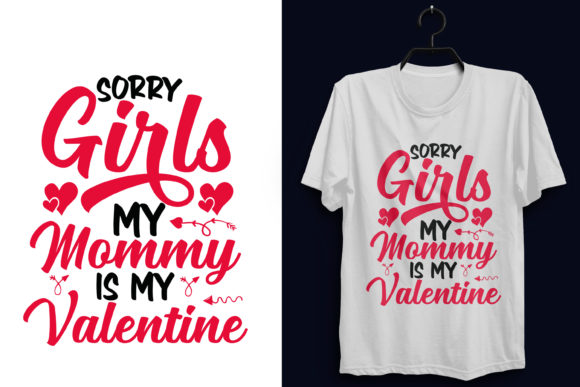
The first thing that strikes you about this design is its playful yet possessive tone. It taps into the popular "mini-me" or proud parent aesthetic that performs exceptionally well in the baby and toddler market. Visually, the layout relies heavily on typography. For an embroidery project, text-based designs are deceptively challenging. Unlike an image where you can simplify shapes, letters must remain legible. The Sorry Girls My Mommy is My Valentine SVG features a mix of font weights that create a nice visual hierarchy. The contrast between the bold statement and the softer script elements suggests a design that wants to be fun without sacrificing readability.
When I loaded the file into my editing software, I looked immediately at the node points and curve smoothness. Since this is provided as a vector-based asset (AI and EPS files included), the potential for clean digitization is high. However, the raw SVG or PNG preview does not tell the whole story. The mood is lighthearted, perfect for holiday embroidery projects around February, but it also works year-round for personalized gifts that celebrate the mother-child bond. It feels less like a seasonal novelty and more like a staple for a small shop product line focused on family apparel.
Real-World Application: From Screen to Stitch
To test the practical value of this graphic, I imagined applying it to several common substrates. The most obvious choice is a custom apparel item, such as a toddler’s sweatshirt or a onesie. Sweatshirt embroidery is forgiving because the fleece provides a stable base, but the stretch of the knit fabric requires careful attention to stabilizer choice. If you are an Etsy seller looking to expand your Valentine’s Day collection, this design could anchor a entire line of matching mom-and-me outfits.
I also considered its use on a tote bag design. Canvas totes are popular for grocery runs or daycare bags. Here, the density of the stitch becomes critical. If the letters are too thin, they may get lost in the weave of the canvas. If they are too dense, the bag might pucker. The Sorry Girls My Mommy is My Valentine SVG appears to have sufficient weight in its primary fonts to stand out against a textured background, provided you use a cut-away stabilizer to maintain structure.
Another interesting application is the embroidered patch. Patches allow you to stitch the design on a stable twill fabric before applying it to the final garment. This is ideal for caps or denim jackets where direct embroidery might be tricky due to seams or curvature. Using this graphic as an applique design could also reduce stitch count and production time, making it more profitable for commercial embroidery runs.
Technical Considerations for Embroiderers
While the visual appeal is strong, there are technical hurdles to address before you start stitching. The product description notes that the file includes AI, EPS, and PNG formats. It is crucial to understand that these are Graphics, not machine embroidery files. You cannot load an AI file directly into your embroidery machine. You must digitize the design or convert it using specialized software. This distinction is vital for hobbyists who might assume "SVG" means "ready to stitch."
When digitizing this T-Shirt Designs graphic, pay close attention to the small details. Tiny serifs or thin connecting lines in script fonts can cause thread breaks or bird nests if not properly reinforced with a running stitch underlay. I recommend testing the design on scrap fabric first. Check how the thread colors contrast with your chosen fabric. A light thread on a dark shirt needs a solid underlay to prevent the fabric color from showing through the stitches.
Hoop size is another factor. Ensure your hoop can accommodate the full width of the phrase. If you are working with a 4x4 hoop, you may need to resize the design, which could compromise the legibility of smaller words. Always inspect the design at 100% zoom in your digitizing software to catch any overlapping nodes or jagged curves that could result in messy stitching.
Fabric and Surface Challenges
Not all fabrics treat typography kindly. On thin or stretchy fabric, such as jersey knits used for baby clothes, high stitch density can cause puckering. To mitigate this, use a high-quality stabilizer and consider reducing the fill stitch density in your digitizing software. For curved surfaces like caps, the distortion of the fabric can warp the text. In these cases, breaking the design into smaller sections or using a stiffer backing material is essential.
Dark fabrics present a different challenge. If you are stitching white thread on a black hoodie, any gaps in the coverage will be glaringly obvious. You may need to add an extra layer of underlay or choose a slightly thicker thread weight to ensure full coverage. Conversely, on light fabrics, shadowing from the stabilizer or backing can sometimes show through. Testing on both light and dark mockups helps you anticipate these issues before committing to a finished product.
Commercial Viability and Brand Consistency
For small business owners and creative entrepreneurs, the profitability of a design depends on its perceived value. The Sorry Girls My Mommy is My Valentine SVG has a high "giftability" factor. It evokes an emotional response, which drives sales. However, professionalism is key. Sloppy stitching on a trendy quote can damage your brand reputation. Ensure that your tension settings are calibrated and that your needles are fresh.
When listing this as a digital embroidery file or a finished handmade product, clarity about licensing is essential. The product includes AI and EPS files, which are typically used for graphic design and printing. If you plan to sell the digital file itself, you must confirm whether the creator allows resale of the vector art. If you are selling stitched items, most standard licenses permit this, but always read the terms. Transparency builds customer trust and encourages repeat business.
Final Verdict for Designers
The Sorry Girls My Mommy is My Valentine SVG is a strong contender for spring and holiday collections. Its strength lies in its clear message and versatile typography. However, its success depends entirely on the skill of the digitizer and the preparatory work of the embroiderer. It is not a plug-and-play solution for machine embroidery without proper conversion and testing.
If you are prepared to handle the digitization process or have a trusted converter, this design offers excellent potential for custom apparel, nursery decor, and personalized gifts. Just remember to respect the technical limits of your machine and fabric. With the right stabilizer, thread choice, and attention to detail, this graphic can transform from a simple digital asset into a cherished keepsake. For the experienced designer, it is a reminder that even the simplest quotes require a complex understanding of how thread interacts with the world.