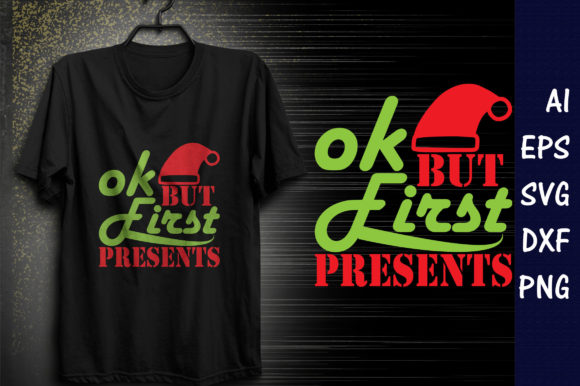
Reviewing the "Ok, but First" Christmas Design
As a designer who has spent countless hours digitizing patterns and testing them on everything from flimsy cotton to heavy denim, I approach every new machine embroidery design with a healthy dose of skepticism. We have all been there: you download a file that looks crisp on the screen, only to find it turns into a bird’s nest of thread breaks and puckering once it hits the fabric. That is why I took a close look at the Christmasr Quote Design, Ok, but First before committing it to any client project or personal inventory.
The first thing that strikes you about this piece is its attitude. It is not your traditional, sentimental holiday motif. Instead, it captures that modern, slightly sassy vibe that dominates social media and contemporary T-Shirt Designs. The phrase "Ok, but First" implies a pause, a prioritization of the festive season over the daily grind. For an embroidery professional, this text-based Graphics asset offers a unique challenge and opportunity. Text designs live or die by their legibility and spacing, and this layout seems to balance whimsical curvature with readable structure.
Real-World Application: The Holiday Sweatshirt Test
To truly evaluate the Christmasr Quote Design, Ok, but First, I imagined a specific scenario: a custom order for a boutique client wanting matching family sweatshirts. This is a common request in December, and it is where many designs fail. Sweatshirt fleece is thick, textured, and prone to shifting. If the design elements are too small or the stitch density is too high, the garment will pucker, looking amateurish rather than professional.
In this context, the design’s potential shines if handled correctly. The quote format suggests it would work beautifully across the chest of a crewneck or as a smaller, pocket-sized accent on a cardigan. Because the source files include SVG and DXF formats alongside the standard embroidery-compatible formats, there is versatility here. However, for actual stitching, we are focusing on how those shapes translate into thread. The visual weight of the letters needs to be substantial enough to stand out against the fuzzy texture of fleece without becoming a solid block of thread that stiffens the fabric.
Assessing Visual Appeal and Stitching Clarity
When I examine a text-based embroidery file, I look closely at the kerning—the space between letters. In digital design assets, tight kerning looks sleek; in embroidery, it can cause threads to merge, making the word unreadable. The Christmasr Quote Design, Ok, but First appears to have a layout that respects the physical limitations of needle and thread. The curves of the letters likely require a mix of satin stitch for borders and fill stitch for larger areas, or perhaps a clean running stitch if it is intended as a minimalist outline.
For an Etsy seller or craft business owner, visual appeal translates directly to sales. A design that looks cluttered or messy after stitching will not generate repeat customers. This particular quote has a playful personality that appeals to younger demographics and modern homeowners. It fits seamlessly into categories like holiday embroidery for home decor, such as pillow covers or tea towels, where a touch of humor is appreciated. The key is ensuring that the transition between the words "Ok," "but," and "First" flows naturally, maintaining the reader’s eye movement across the hoop.
Navigating Fabric and Hoop Constraints
One must be cautious when applying this design to challenging surfaces. While it might look perfect on a flat cotton tote bag, curved surfaces like caps or hats require careful consideration. If you are attempting sweatshirt embroidery or working on a tote bag design, the stability of the fabric is paramount. I always recommend using a cut-away stabilizer for garments that will be washed frequently, as this prevents the design from distorting over time.
Additionally, consider the hoop size. If you are working with a 4x4 inch hoop, you may need to scale the design down, which could compromise the integrity of smaller details. Always check the dimensions provided in the ZIP file. If the design includes intricate serifs or tiny decorative elements, shrinking it too much will result in thread breaks and poor coverage. For baby embroidery items, where softness is critical, you might want to avoid dense fill stitches altogether and opt for a lighter application, perhaps using the design as a guide for an applique design instead of direct stitching.
Commercial Viability and Brand Consistency
For those running a small shop product line, consistency is key. The Christmasr Quote Design, Ok, but First offers a versatile aesthetic that can bridge the gap between casual wear and home goods. Imagine this stitched onto a canvas apron for a holiday baking kit, or embroidered on a linen napkin set. These are high-value personalized gift items that command higher prices because of their perceived craftsmanship.
However, before listing these as commercial embroidery products, you must verify the licensing terms. The product description mentions the ZIP file contains EPS, SVG, PNG, and DXF files, noting their use for scrapbooking, cut machines, and vinyl. It is crucial to confirm whether the embroidery-specific usage rights are included for commercial sale. Many designers purchase files for personal use only, so assuming you can sell finished handmade product items without checking the license is a risky move. Always read the fine print to protect your craft business from intellectual property issues.
Practical Designer Notes for Best Results
Before you load this design into your machine for a production run, follow these practical steps to ensure a high-quality finished product:
- Test on Scrap Fabric: Never stitch directly on your final garment. Use a scrap piece of the same fabric type to test tension and density.
- Check Thread Contrast: Since this is a text-based design, high contrast between the thread color and fabric is essential for readability. Test it in black and white mockups first.
- Inspect Stitch Density: If the design feels too stiff after testing, reduce the density in your editing software or add more underlay stitches to stabilize the fabric without adding bulk.
- Verify File Compatibility: Ensure your machine reads the specific embroidery file format provided. While SVG and DXF are great for cutting, you need the correct embroidery format (like PES, DST, or JEF) for stitching.
- Consider the Background: On dark fabrics, ensure your thread colors pop. On textured fabrics like towels, consider using a topping to prevent stitches from sinking into the pile.
In conclusion, the Christmasr Quote Design, Ok, but First is a promising addition to your library of digital embroidery file resources. It captures the modern holiday spirit with a wink, making it ideal for custom apparel and quirky home decor. By paying attention to fabric choice, stabilizer selection, and licensing details, you can transform this digital asset into a standout embroidered patch or garment feature that delights customers and elevates your brand. Remember, the best designs are those that respect the medium, and with careful execution, this quote can be a star performer in your winter collection.