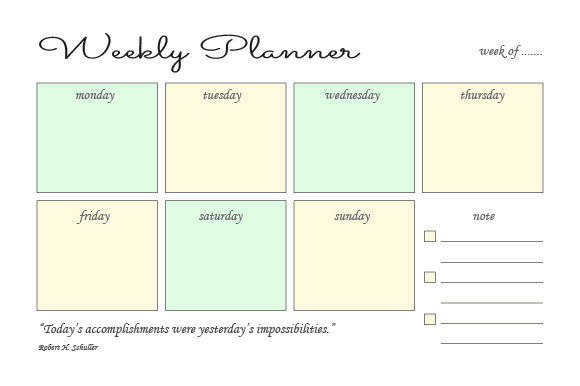
Reviewing the Weekly Planer Template for Embroidery
As a designer who spends more time staring at digitized stitch paths than I care to admit, I have learned that not every graphic translates well to thread. We often see beautiful Print Templates and Graphics online that look stunning on a screen but become a nightmare under the needle. Recently, I took a close look at the Weekly Planer Template, a design featuring motivational quotes and structured layout elements. My goal was not just to admire the aesthetic, but to evaluate its viability for real-world embroidery projects. Whether you are an Etsy seller, a boutique owner, or a hobbyist looking to create a personalized gift, understanding how this design behaves in fabric is crucial before you commit to stitching.
First Impressions: Structure Meets Motivation
The first thing that strikes you about the Weekly Planer Template is its clean, organized personality. It blends the functional aspect of a planner with the emotional lift of a motivational quote. Visually, it feels calm and purposeful. For embroidery, this is a promising start. Designs that are too chaotic or overly detailed often lose their impact when converted into thread, but the structured nature of this template suggests it could hold up well. The balance between text and graphical elements creates a mood of productivity and mindfulness, which is currently very popular in the craft business sector.
However, as an experienced reviewer, I immediately looked for potential pitfalls. The inclusion of text means we must be wary of legibility. In embroidery, small serif fonts or thin lines can disappear into the fabric texture or break during washing. The success of this embroidery project will largely depend on how the digital file is prepared and the scale at which it is stitched.
Real-World Application: The Tote Bag Test
To truly test the Weekly Planer Template, I imagined applying it to a classic canvas tote bag. This is a staple item for many small shop products and a perfect canvas for planner-themed designs. A tote bag offers a large, flat surface area, which is ideal for a design that includes both layout lines and text. When visualizing the finished product, I considered the thread colors. A monochrome look using navy thread on natural canvas would exude sophistication, while pastel threads on white cotton would feel soft and approachable.
Beyond tote bags, this design has strong potential for sweatshirt embroidery. Imagine a cozy crewneck with the weekly plan layout stitched subtly on the chest or more prominently on the back. The motivational quote element adds a layer of personal connection, making it an excellent choice for custom apparel aimed at students, professionals, or anyone focused on self-improvement. The key here is scaling. On a garment, the design needs to breathe. Cramming too much detail into a small space on a curved surface like a shoulder or chest can lead to puckering and discomfort.
Navigating Technical Challenges
While the concept is strong, the execution requires careful attention to technical details. Since the product description lists the files as EPS10, SVG, and PDF, it is important to note that these are vector graphics formats, not native machine embroidery files like PES or DST. This means you, or your digitizer, will need to convert these design assets into a stitch file. This step is critical. You cannot simply import an SVG into most embroidery machines and expect a perfect result.
When digitizing this machine embroidery design, pay close attention to stitch density. Planner templates often involve straight lines and grids. If these are stitched with a simple running stitch, they may look sparse and unprofessional. Using a narrow satin stitch for the borders and lines can add definition and durability. However, be cautious with dense areas. If the motivational quote is filled in completely, it may become stiff and heavy. A lighter fill or even leaving the text as an outline might preserve the fabric's drape, especially for baby embroidery items where softness is paramount.
Fabric choice also plays a massive role. On textured fabrics like terry cloth towels or fuzzy fleece, fine details of the Weekly Planer Template may get lost. In such cases, simplifying the design or increasing the size is necessary. For dark fabrics, ensure you use high-contrast thread colors. A printable mockup can help visualize this, but nothing beats a physical test stitch. Always use a proper stabilizer. For woven fabrics like cotton or linen, a cut-away stabilizer provides long-term support, preventing the design from distorting after repeated washes.
Commercial Viability and Brand Consistency
For commercial embroidery professionals and Etsy sellers, the Weekly Planer Template offers a versatile asset. It fits neatly into the "organization" and "wellness" niches, which have dedicated customer bases. The design’s clean aesthetic allows for brand consistency. You can easily adapt the thread colors to match specific seasonal collections or brand palettes. For instance, earthy tones for autumn launches or bright primaries for back-to-school promotions.
Customer trust is built on quality. A poorly stitched planner template with broken threads or misaligned text will harm your reputation. Conversely, a crisp, well-executed version enhances the perceived value of the handmade product. It signals professionalism and attention to detail. This design can serve as a centerpiece for a larger collection, perhaps paired with matching embroidered patch designs or coordinating home decor items like pillow covers.
Practical Designer Notes
Before you launch this design into your production line, consider these practical steps:
- Test on Scrap Fabric: Never stitch directly on your final product. Use the same type of fabric and stabilizer to check for puckering or thread breaks.
- Check Legibility: Zoom in on your digitized file. Are the letters in the motivational quote distinct? If they blur together, increase the spacing or size.
- Verify Licensing: Since the files provided are EPS, SVG, and PDF, confirm the license terms for commercial use. Ensure you have the right to sell finished items made with this design.
- Contrast Check: View your design in black and white. If the elements blend together without color, the contrast is insufficient, and the design may lack impact.
- Hoop Size Selection: Choose a hoop size that accommodates the entire design with adequate margin. Avoid hooping too tightly on stretchy fabrics to prevent distortion.
Final Verdict
The Weekly Planer Template is a promising candidate for embroidery, provided it is handled with technical care. Its strength lies in its relatable theme and clean structure, which resonate well with modern consumers seeking organization and motivation. While it requires thoughtful digitizing to translate from vector graphics to thread, the potential for creating high-value personalized gifts and small business merchandise is significant. By respecting the limitations of fabric and thread, and by prioritizing stitch quality, you can transform this digital asset into a tangible product that customers will love and cherish. Remember, the best embroidery designs are those that look as good in hand as they do on screen.