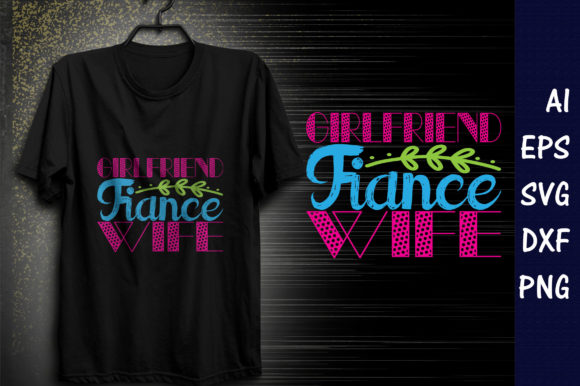
Reviewing the Winter Quote Design for Embroidery
As a designer who has spent countless hours digitizing and stitching out files for clients, I have learned that not every graphic translates well to thread. When I first opened the Winter Quote Design, Girlfriend, Fianc, my immediate concern was legibility versus aesthetic charm. This is a common tension in seasonal designs. We want the cozy, romantic vibe of winter, but we also need the text to be readable once it is compressed into stitches on fabric. After reviewing the file structure and considering its application in real-world projects, I have formed a clear opinion on where this design shines and where it requires careful handling.
First Impressions and Visual Personality
The mood of this design is undeniably warm. It captures that specific feeling of holiday intimacy, making it ideal for personalized gifts. Visually, the layout balances textual elements with decorative motifs. For an embroidery project, this balance is critical. If the decorative elements are too dense, they can overpower the quote. If they are too sparse, the design feels incomplete. In this case, the visual personality leans towards a handmade, boutique aesthetic rather than a rigid, corporate look. This makes it a strong candidate for small shop products where uniqueness is valued over mass-produced uniformity.
When evaluating the shape and detail level, I noticed that the curves are smooth, which is promising for machine execution. Sharp, jagged corners often cause thread breaks or puckering, but the organic flow here suggests a smoother stitching process. However, the complexity of the lettering style means that stitch direction will play a huge role in the final clarity. A poor digitization job could turn elegant loops into tangled knots, so inspecting the underlying pathing is essential before committing to a final product.
Real-World Application: The Custom Sweatshirt Test
To truly understand the value of this machine embroidery design, I imagined applying it to a high-quality cotton blend sweatshirt. This is a staple item for any craft business during the colder months. The design sits comfortably on the chest or slightly off-center for a modern look. On a sweatshirt, the fabric has enough loft to hide minor imperfections in the stabilizer placement, giving the designer some forgiveness.
I also considered its use on a canvas tote bag. Here, the tote bag design potential is strong because the flat, sturdy surface allows for crisp stitching. The contrast between the thread colors and the natural canvas would highlight the winter theme effectively. For Etsy sellers, this versatility is a major selling point. You can market the same digital asset across multiple product lines, from apparel to home goods, maximizing the return on your design investment.
Another practical scenario is baby embroidery. Soft onesies or burp cloths are popular personalized gifts. However, using this design on baby items requires caution. The scale must be reduced significantly, which brings us to the limitations of the file. Tiny lettering can become illegible if the stitch count is too high for the size. I would recommend testing a smaller version on scrap fabric to ensure the details do not merge into a solid blob of thread.
Navigating Fabric and Hoop Constraints
One of the most critical aspects of using any embroidery file is understanding its limits regarding hoop size and fabric texture. This design likely requires a medium to large hoop to accommodate the full width of the quote without compromising the integrity of the outer decorative elements. If you attempt to shrink it down to fit a 4x4 hoop for a small patch, you risk losing the nuance of the font.
Fabric choice is equally important. On textured fabrics like terry cloth or heavy wool, the finer details of the quote might get lost. In these cases, using a contrasting thread color is vital. For dark fabrics, ensure your thread colors pop. A white or silver thread on navy blue creates a classic winter look, while pastels on charcoal can feel modern and fresh. Always use a proper stabilizer. For stretchy fabrics like jersey knits used in custom apparel, a cut-away stabilizer is non-negotiable to prevent distortion after washing.
Curved surfaces, such as caps, present another challenge. The design needs to be centered perfectly, and the curvature can distort the perspective of the text. I advise against using this specific quote on highly curved areas unless you have experience with 3D puff or specialized cap digitizing techniques. For flat items like pillow covers or kitchen towels, the design performs much more predictably.
Commercial Viability and Brand Consistency
For commercial embroidery professionals and small business owners, the appeal of Winter Quote Design, Girlfriend, Fianc lies in its emotional resonance. It targets specific relationships—girlfriends, fiancés, wives—which narrows the audience but increases the likelihood of purchase for gift-givers. This specificity helps in creating targeted marketing campaigns for holiday seasons.
However, professionalism is key. A sloppy stitch-out can damage brand consistency. Before listing this as a finished product or including it in a bundle of design assets, you must test it thoroughly. Check the stitch density. If it is too dense, it will make the fabric stiff and uncomfortable, especially on wearable items like t-shirts. If it is too light, the backing fabric might show through, ruining the visual appeal.
Using printable mockups can help visualize the end result, but nothing replaces a physical sample. Stitch it out on the exact fabric you intend to sell. Wash it, dry it, and inspect it. Does the thread fray? Does the fabric pucker? These are the questions that determine whether a design is ready for commercial use. Customer trust is built on quality, and a well-executed embroidery project speaks volumes about your attention to detail.
Technical Notes for Designers
Before you begin stitching, there are several practical steps to take. First, verify the file formats included. The description mentions EPS, SVG, PNG, and DXF files. Note that these are primarily vector and image formats suitable for cutting machines and graphic design, not necessarily native machine embroidery formats like PES or DST. Ensure you have the correct conversion tools or that the provider includes actual embroidery files if you are using a standard home machine. If these are intended for vinyl cutting or screen printing, the approach changes entirely.
If you are using this for vinyl decals or scrapbooking, the SVG and DXF files are ideal. They allow for clean cuts and scalable graphics. For embroidery, if you are digitizing this yourself from the provided vectors, pay close attention to the underlay stitches. A good underlay stabilizes the fabric and defines the shape before the top stitches are laid down. For satin stitch borders, keep the width manageable to avoid snagging. For fill stitch areas, vary the angle to add depth and prevent the design from looking flat.
Finally, always confirm licensing terms. Just because you purchased the file does not automatically grant you the right to sell finished products commercially. Check the provider’s terms of use. Some licenses allow for unlimited personal use but restrict commercial sales to a certain number of units. Respecting these terms protects your business and supports the original creator.
Final Verdict
The Winter Quote Design, Girlfriend, Fianc is a versatile asset for designers who understand its constraints. It excels in cozy, gift-oriented applications like sweatshirts and tote bags. With careful attention to hoop size, stabilizer choice, and thread contrast, it can produce high-quality, professional results. For Etsy sellers and craft entrepreneurs, it offers a timely, emotionally engaging option for holiday collections. Just remember to test, adjust, and verify your files to ensure every stitch counts.